Programs and Research

Center of Excellence for Liver and Digestive Health (CELDH)

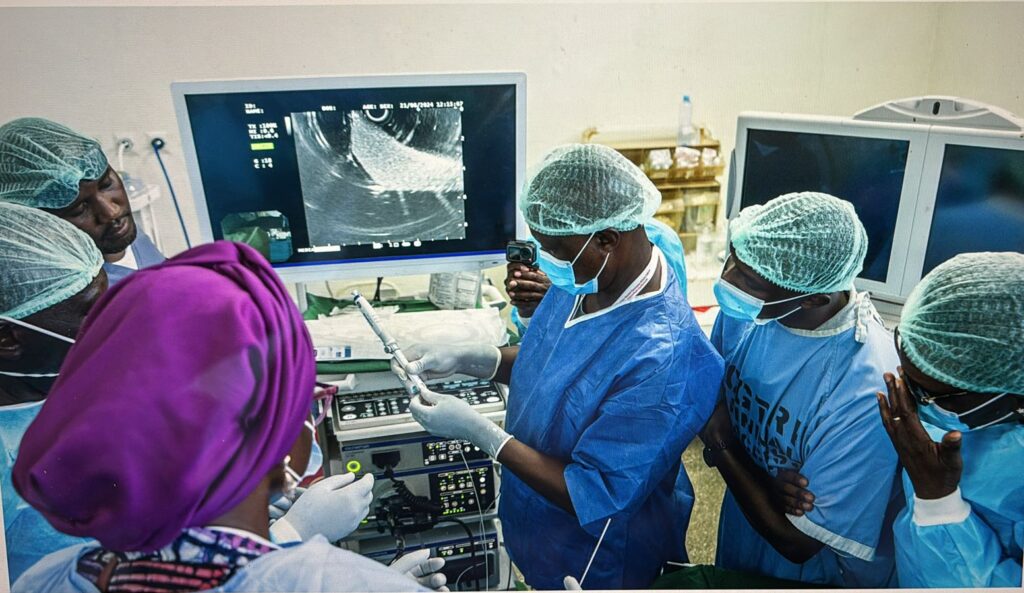
The Center of Excellence for Liver and Digestive Health (CELDH), a key initiative by AILDD, is a pioneering program established to elevate the standards of healthcare for liver and digestive diseases in Africa.

This center serves as a hub for advanced medical research, patient care, and professional training, integrating cutting-edge technology and evidence-based practices.

By fostering collaborations with global experts and local communities, CELDH aims to revolutionize treatment approaches, enhance patient education, and build a network of skilled healthcare professionals, making significant strides towards a future where liver and digestive health issues are effectively managed and ultimately eradicated in African communities.

Africa HepatoPancreatoBiliary Cancer Consortium (AHPBCC)

The Africa HepatoPancreatoBiliary Cancer Consortium (AHPBCC), initiated by AILDD, is a groundbreaking program dedicated to combating hepato-pancreato-biliary (HPB) cancers in Africa.

This consortium unites experts from across the continent and globally to foster research, advance treatment strategies, and improve patient outcomes for these complex and deadly cancers.

Focusing on innovation, education, and collaborative efforts, AHPBCC is committed to transforming the landscape of HPB cancer care in African communities, prioritizing culturally sensitive approaches and evidence-based practices to meet the unique healthcare challenges of the region.


Biorepository/GWAS

The Biorepository/Genome-Wide Association Studies (GWAS) program is a cutting-edge initiative designed to revolutionize the understanding and treatment of genetic and complex diseases.

This program involves the collection and storage of biological samples in a biorepository, creating a comprehensive database that supports large-scale genetic analysis through GWAS.

By examining the genetic variations across diverse populations, the program aims to identify genetic markers associated with various diseases, paving the way for personalized medicine and targeted therapies.

This initiative not only enhances the capability for groundbreaking research but also fosters collaborations among scientists globally, contributing significantly to the advancement of medical science and the improvement of patient outcomes.

Center of Excellence for Liver and Digestive Health (CELDH)

The Ghana HCV Program is an innovative and comprehensive initiative focused on tackling Hepatitis C, a significant public health challenge in Ghana. This program is dedicated to the eradication of Hepatitis C through a multi-faceted approach that includes widespread screening, public education, and access to effective treatment. By leveraging the latest in medical research and partnering with local healthcare providers, the program aims to increase awareness, reduce transmission rates, and improve treatment outcomes for individuals affected by Hepatitis C. Emphasizing prevention, early detection, and state-of-the-art care, the Ghana HCV Program represents a crucial step towards a Hepatitis C-free future in Ghana, ultimately contributing to the overall improvement of liver health in the region.

Ghana HCV Program

The Ghana HCV Program, spearheaded by health-focused organizations, is a landmark initiative aimed at combating Hepatitis C, a major health concern in Ghana.

This program employs a comprehensive strategy that includes extensive public education, large-scale screening, and providing access to the latest treatment options.

Focused on reducing the prevalence of Hepatitis C, the initiative is grounded in community engagement, awareness campaigns, and strengthening healthcare systems for effective management and treatment of the virus.

By prioritizing early detection and advanced care, the Ghana HCV Program is committed to significantly decreasing Hepatitis C transmission and enhancing the quality of life for affected individuals, marking a pivotal step towards eradicating this disease in Ghana.
Ghana Hepatitis and Liver Cancer Study

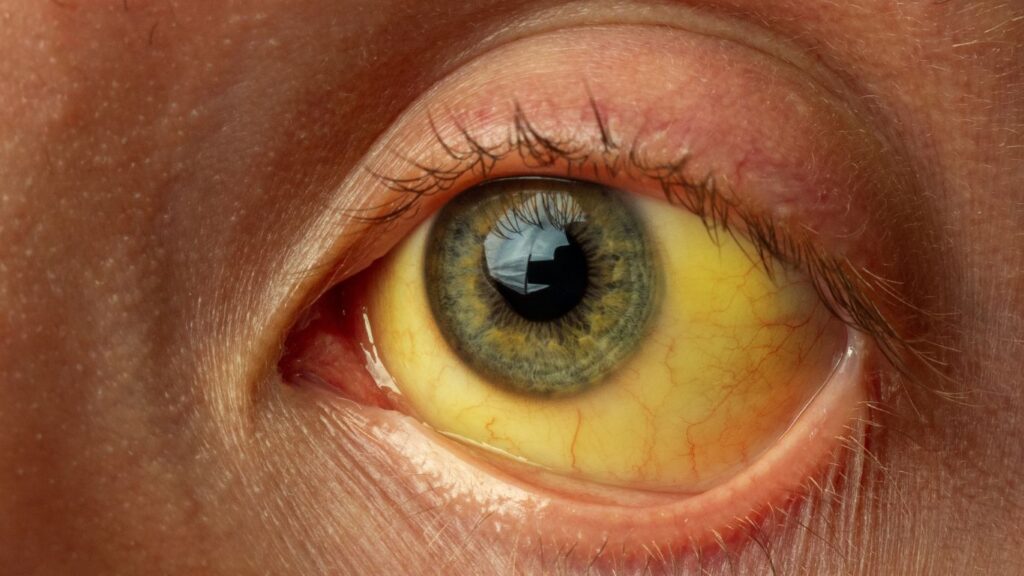
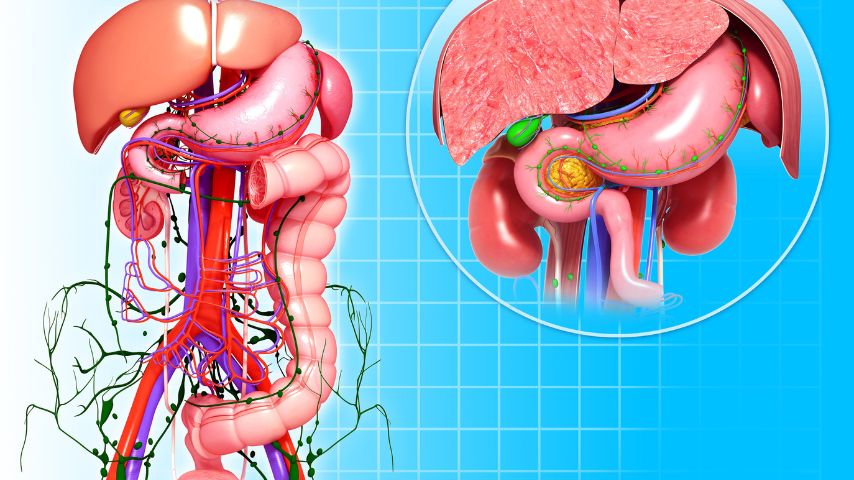
The Ghana Hepatitis and Liver Cancer Study program is a comprehensive research initiative designed to address the growing concern of hepatitis infections and their progression to liver cancer in Ghana.

This program combines epidemiological studies, public health interventions, and advanced medical research to understand the patterns, causes, and effects of hepatitis and liver cancer within the Ghanaian population.

By integrating data collection, analysis, and community outreach, the program aims to develop effective prevention strategies, improve diagnostic methods, and enhance treatment protocols.

This proactive approach not only seeks to reduce the incidence of hepatitis and liver cancer in Ghana but also contributes significantly to the global body of knowledge on these critical health issues, ultimately leading to better health outcomes and increased awareness within the community.

Community Health Advisory Collaborative (CHAC)

The Community Health Advisory Collaborative (CHAC) is an innovative and collaborative initiative focused on improving healthcare outcomes for the Somali community in the United States.

Recognizing the unique health challenges and cultural needs of this population, CHAC serves as a platform for dialogue, advocacy, and action between healthcare providers, community leaders, and Somali individuals.

The committee’s mission is to bridge gaps in healthcare accessibility and understanding, fostering culturally sensitive health programs and policies.

Through community engagement, education, and research, CHAC aims to enhance overall health literacy, promote preventive care, and address specific health concerns prevalent in the Somali community.

This program is a testament to the power of community-centered approaches in addressing health disparities and advancing equitable healthcare solutions.

Your Contribution Makes a Difference

At AILDD, we believe in the power of collective action to bring about significant change. We invite you to join us in our relentless pursuit to combat liver and digestive diseases in African communities. By getting involved with AILDD, you become a part of a global movement dedicated to transforming healthcare in Africa. Every action, no matter the size, contributes to a brighter, healthier future. Together, we can make a world of difference.
Scroll to Top

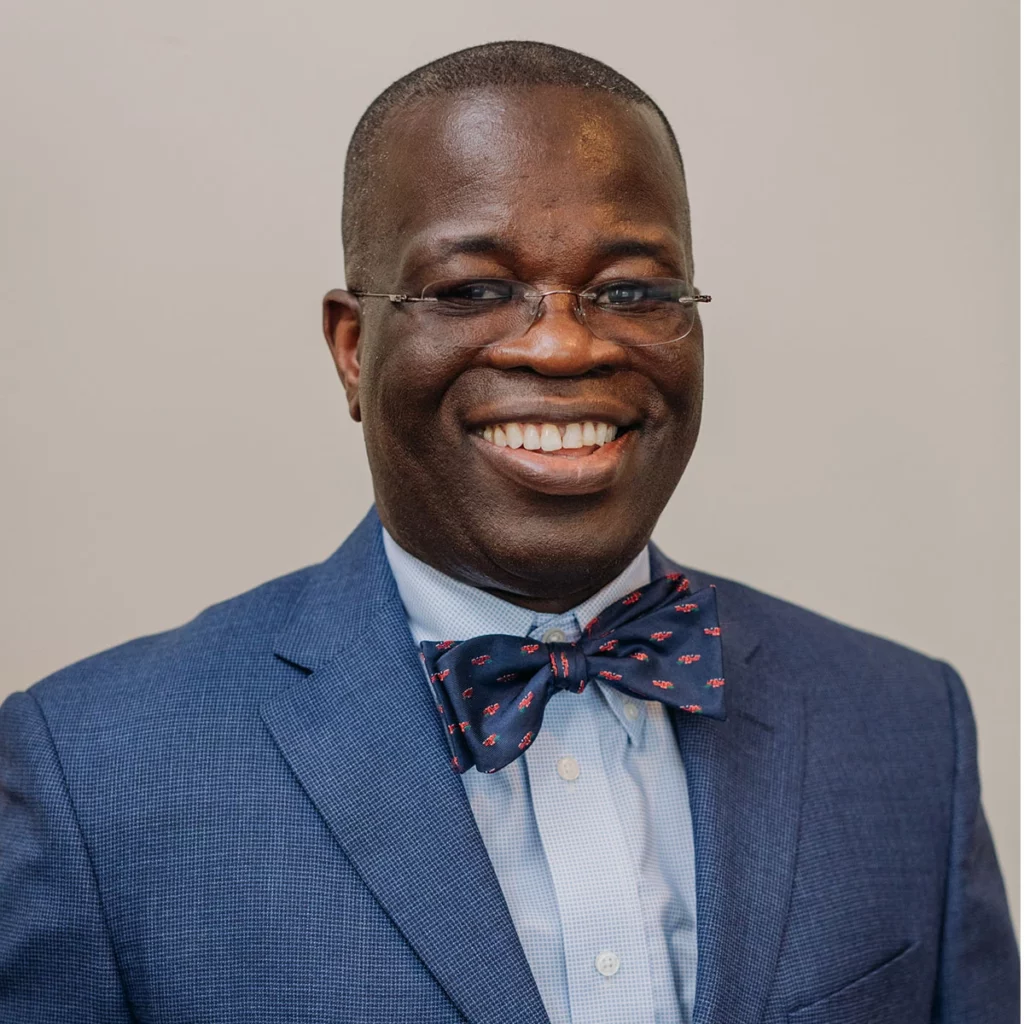
Dr. Mitchell Mah’moud, MD, DTh, FACG, AGAF, FAASLD

Founder and Treasurer, Board of Directors, AILDD
Professor of Medicine, Division of Gastroenterology, Duke University School of Medicine

Mitchell Mah’moud is a Professor of Medicine and a faculty member in the Division of Gastroenterology at Duke University School of Medicine. From 1997 to 2000, he served as an Assistant Professor of Medicine and held the positions of Director of Clinical Hepatology and Associate Program Director of the GI Fellowship in the Division of Digestive Diseases at the University of South Carolina in Columbia. Prior to that, he was a Clinical Instructor of Medicine at Yale School of Medicine and an Attending Gastroenterologist at the West Haven VA Medical Center, a teaching affiliate of Yale.

He is a recognized thought leader in the management and translational research of liver diseases, with additional expertise in pancreatic pathobiology. For more than two decades, he has been actively involved in mentoring and training the next generation of physicians around the world. His passion lies in disseminating cutting-edge medical knowledge and technology to the developing world through education and mentorship.

As one of the four founding members of the AILDD and chair of its training committee, he oversees the education of GI fellows and practicing physicians at the CELDH, AILDD’s flagship medical facility. In addition, as a member of the executive team, he plays a key role in strategic decision-making to ensure the institute’s overarching goals are met.

Erika de la Garza

Executive Director

Erika de la Garza serves as Executive Director of the Africa Institute for Liver and Digestive Diseases (AILDD) Foundation, where she leads the organization’s efforts to expand access to liver and digestive healthcare, training, and research across Africa. With a background in international policy and nonprofit leadership, Erika brings decades of experience building partnerships that drive impact and sustainability.

She is also a Senior Advisor at Rice University’s Baker Institute Center for the U.S. and Mexico and previously served as Program Director of the Institute’s Latin America Initiative. During her 20-year tenure, she developed and led research programs, organized high-level policy dialogues, and built lasting partnerships across the Americas on issues ranging from democratic governance to regional economic integration. Erika holds master’s degrees from Columbia University in International Affairs and the University of Costa Rica in Foreign Service and Diplomacy.

Her leadership at AILDD reflects her deep commitment to global health equity and to advancing solutions that improve lives in underserved communities.

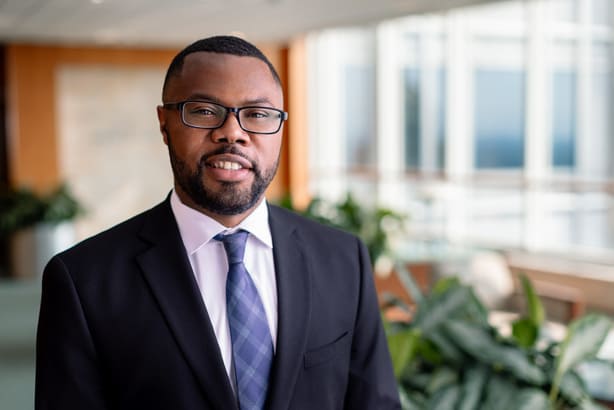
Amoah Yeboah-Korang, MD, MPH

University of Cincinnati

Lionel A. Kankeu Fonkoua, M.D.

Mayo Clinic

Dr. Lionel A. Kankeu Fonkoua is an Assistant Professor of Oncology and Senior Associate Consultant within the Department of Medical Oncology at the Mayo Clinic in Rochester, MN. He specializes in the treatment of Gastrointestinal and Hepatobiliary Cancers, with a research focus on the development of novel combinatorial immunotherapeutic strategies. In addition to his clinical and research activities, Dr. Kankeu Fonkoua is also committed to improving equitable access to care for ALL cancer patients, including the underserved and at-risk populations. In his role as Advisory Board Member of the Africa Institute for Liver and Digestive Diseases (AILDD) Foundation, he provides strategic advice, guidance, and support to the Board of Directors and staff.

Jecinta Scott, PhD. CCRP

Exact Sciences Corporation, Blaine, MN

Dr. Jecinta Scott is Associate Director Medical Science Liaison at Novartis specializing in Radioligand and radiopharmaceutical cancer therapy. With 17 years of experience in clinical and translational research focused on hematology and oncology, she supports healthcare providers with clinical and scientific information. Dr. Scott holds a PhD in Health Sciences focused on cancer risk factors and a master’s degree in Biology Medical Sciences. As a member of AILDD’s board, Dr. Scott brings both passion and strategic insight to the committees she serves on and leads, helping drive meaningful progress in the organization’s mission.

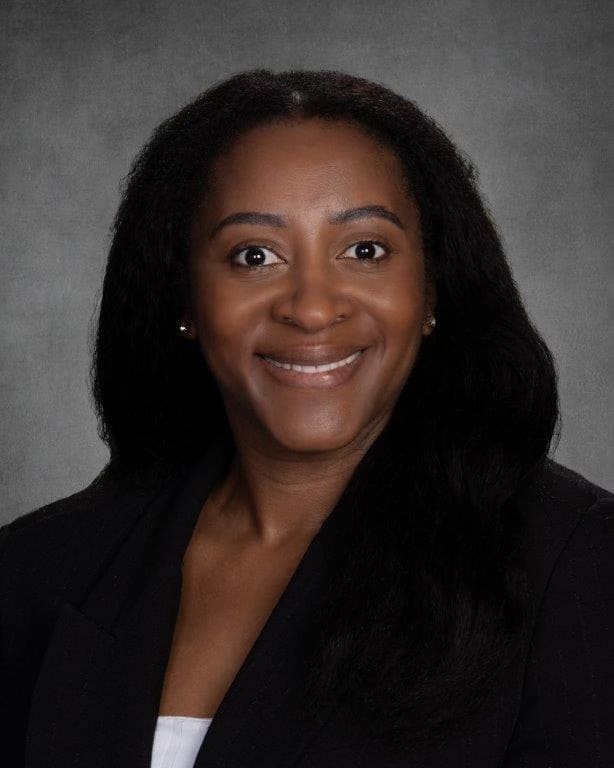
Akwi W. Asombang, MD, MPH

Massachusetts General Hospital, Boston, MA

Dr. Akwi W. Asombang is an interventional gastroenterologist at Massachusetts General Hospital and Director of Global Health Programs in Gastroenterology at Harvard Medical School. She completed advanced endoscopy training at Beth Israel Deaconess Medical Center and fellowships in gastroenterology and global health at Washington University in St. Louis. She holds an MPH from Saint Louis University and an MD from Kasturba Medical College in India.

Dr. Asombang’s clinical interests include endoscopy (ERCP/EUS), gastrointestinal cancers, medical education, and global health. She is the founder of the Pan-African Organization for Health, Education and Research (POHER) and the African Association of Future Gastroenterologists (AAFG), both of which support mentorship, education, and collaboration across Africa’s medical community.

A passionate advocate for equity in healthcare, Dr. Asombang brings deep expertise and global perspective to AILDD’s mission. She plays a key role in strengthening the organization’s training programs and expanding access to specialized care across the continent.

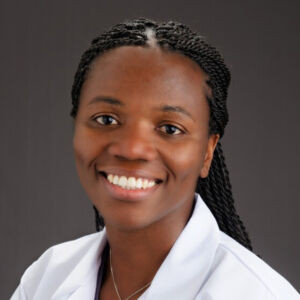
Bubu Banini, MD, PhD

Yale University, New Haven, CT
Dr. Bubu Banini, MD, PhD, received her undergraduate degree in Chemistry and Biology at Swarthmore College in Pennsylvania, during which she spent time at Oxford University in the United Kingdom on an Honors Study Abroad program. She then received combined MD and PhD degrees from Sidney Kimmel Medical College / Thomas Jefferson University, and subsequently completed Internship, Residency and Chief Residency in Internal Medicine at Montefiore Medical Center and Montefiore New Rochelle Hospital. Thereafter, she completed an NIH-funded Postdoctoral Research Fellowship at Mayo Clinic in Rochester, Minnesota. Subsequently supported by an NIH T32 training grant, Dr. Banini completed Research and Clinical Fellowships in Gastroenterology, Hepatology and Nutrition at Virginia Commonwealth University (VCU), followed by Fellowship in Transplant Hepatology at VCU. Dr. Banini is currently an Assistant Professor of Medicine (Digestive Diseases) at the Yale School of Medicine, where she also serves as Translational Research Director of the Metabolic Health and Weight Management Program, and Associate Director of the Clinical and Translational Core of the Yale Liver Center. Her research interests in steatotic liver diseases, liver cancer and population health span the T1 through T4 translational spectrum. Dr. Banini has board certifications in Gastroenterology, Obesity Medicine, and Transplant Hepatology.

Thomas D. Amankonah, MD FACP FAASLD

VA Medical Center, Jackson, MS
Dr. Thomas D. Amankonah is a transplant hepatologist and founding member of AILDD. He completed his medical training in Poland and the U.S., with a hepatology and liver transplant fellowship at Cedars-Sinai Medical Center. Over his career, Dr. Amankonah has played key roles in developing and improving liver transplant programs across several states, including California, Mississippi, Louisiana, and Washington. He was instrumental in establishing the liver transplant program at Swedish Medical Center in Seattle and currently serves as Chief of Hepatology and Director of the GI Endoscopy Lab at the VA Medical Center in Jackson, MS. Known for his compassionate care, leadership, and dedication to liver disease patients, Dr. Amankonah’s research interests include viral hepatitis and liver cancer. He enjoys soccer, photography, and traveling.

Dr. Victor Ankoma-Sey

Founder and Vice President, Board of Directors, AILDD
Director, Liver Transplant Program, Houston Methodist Hospital & Director, Liver Associates of Texas, Houston

Dr. Victor Ankoma-Sey is the Director of the Liver Transplant Program, Houston Methodist Hospital & Director, Liver Associates of Texas in Houston. He is a renowned hepatologist with over three decades of experience in the diagnosis and treatment of complex liver diseases. Dr. Ankoma-Sey has played a leading role in the advancement of liver transplant medicine and has made significant contributions to patient care, education, research, and medical training in hepatology. Throughout his career, he has mentored numerous physicians and has been deeply involved in initiatives aimed at expanding access to liver disease prevention and treatment, particularly in underserved communities.

Dr. Ankoma-Sey is a co-founder of the Africa Institute for Liver and Digestive Diseases (AILDD) Foundation and currently serves as Vice President of its Board of Directors. His expertise and passion for improving liver health continue to guide AILDD’s efforts to build sustainable healthcare solutions across Africa.

Dr. Lewis R. Roberts

Founder and President, Board of Directors, AILDD
Peter and Frances Georgeson Professor in Gastroenterology Cancer Research, Mayo Clinic

Dr. Lewis R. Roberts is the Peter and Frances Georgeson Professor in Gastroenterology Cancer Research and a consultant in the Division of Gastroenterology and Hepatology at the Mayo Clinic in Rochester, Minnesota. A globally recognized leader in hepatology, Dr. Roberts has dedicated his career to the prevention, diagnosis, and treatment of liver and digestive diseases, with a special focus on hepatocellular carcinoma, cholangiocarcinoma, and viral hepatitis B. 

As one of the founding members of the Africa Institute for Liver and Digestive Diseases (AILDD) Foundation, Dr. Roberts brings decades of clinical and research expertise to advance the organization’s mission. In his role as President of the Board of Directors, he provides strategic guidance and oversight to ensure that AILDD’s programs reflect the highest standards of medical care, research, and capacity building across the African continent.