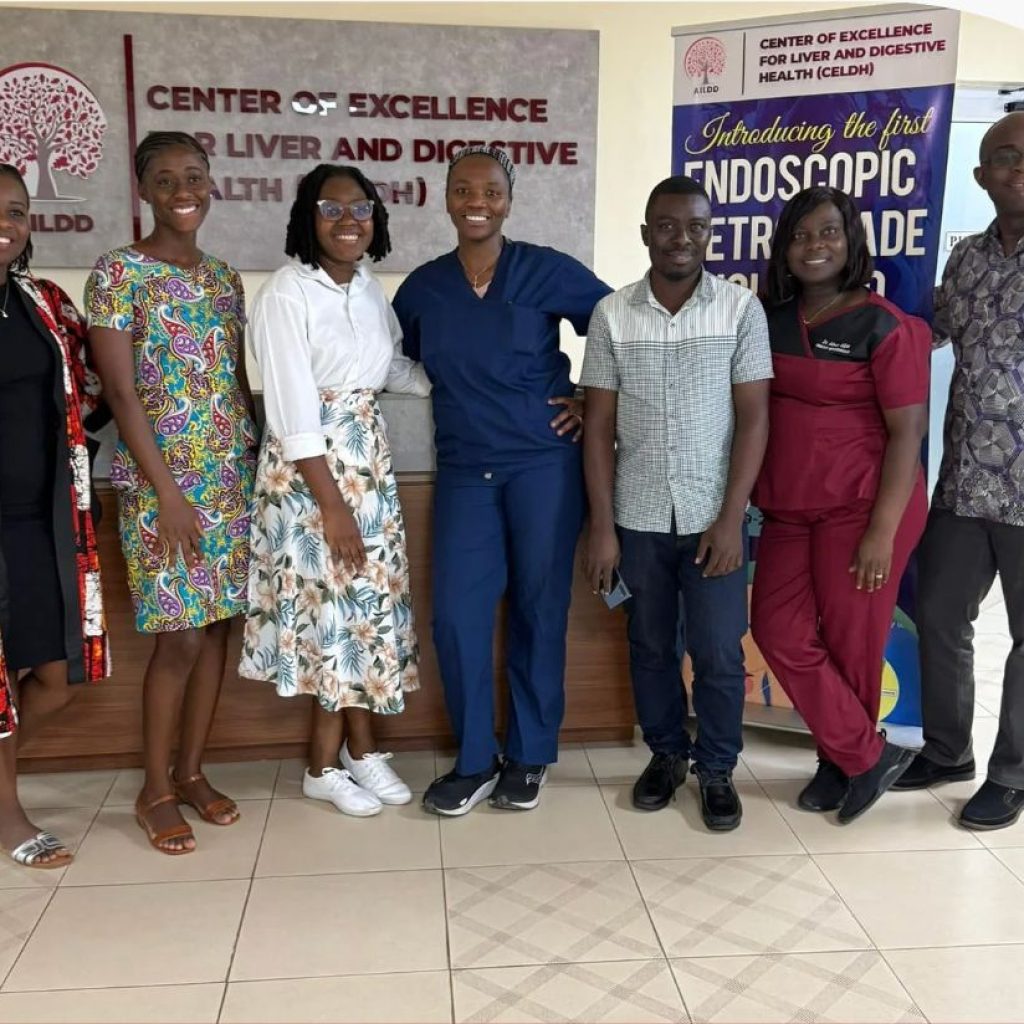
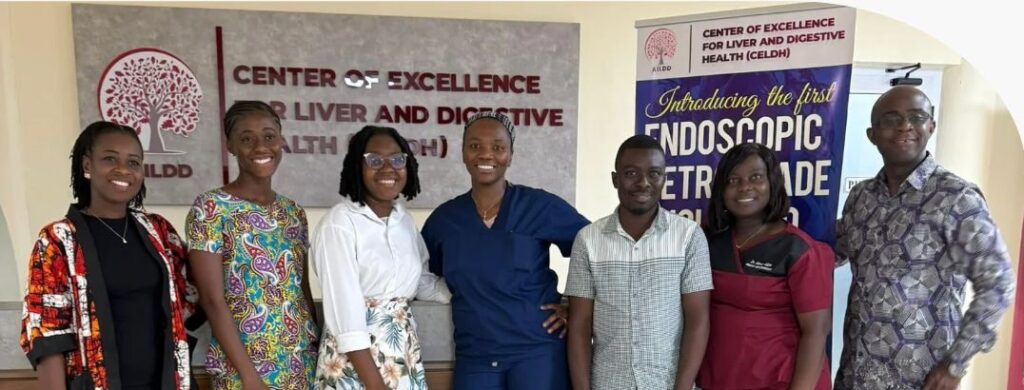
7 people stand together posing for a photo

Launching Advanced Endoscopy Training in Ghana

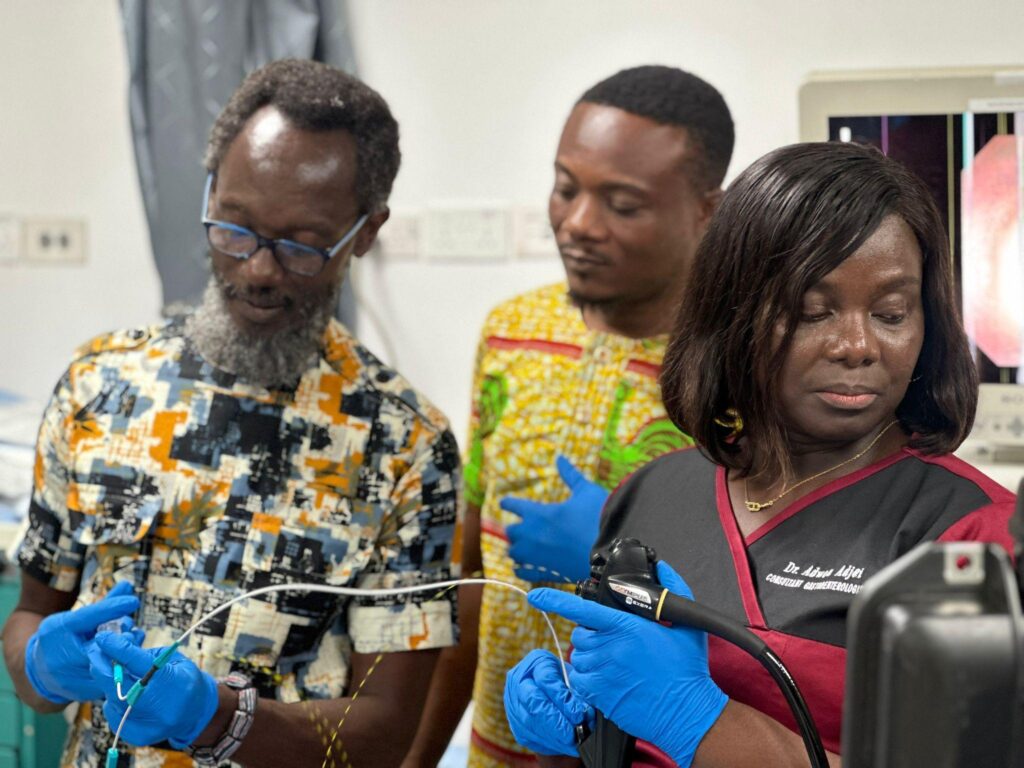
The training rooms were full of activity, and excitement was in the air. Everyone, from doctors and nurses to radiographers and engineers, felt the energy. They had their hands on the tools of change. 


The Africa Institute of Liver and Digestive Diseases (AILDD) launched its first advanced endoscopy training in the clinic at its Center for Excellence in Ghana in May 2025. This opportunity meant more than transferring a new skill—it marked the launch of a training model designed to be sustainable and locally led. 


For Dr. Kenneth Tachi, M.B., Ch.B, M.Sc., F.W.C.A.P, F.G.C.P., a program participant, the experience opened possibilities for his patients. 


“It has always been my goal to develop my advanced endoscopy skills,” he said. “But more importantly, I saw the urgent need for local expertise, and I wanted to be part of the solution.”


Dr. Tachi works as a gastroenterologist at Ghana’s Korle Bu Teaching Hospital. Although he had trained in this procedure in Japan, he had not had the chance to apply those skills since returning to Ghana. This hands-on workshop reintroduced important techniques and gave him and his entire team the opportunity to learn side-by-side with the guidance of international faculty. 


He sees this training as the first step toward expanding access to minimally invasive GI procedures to improve patient outcomes and reduce the need for surgery or travel to seek care. 

Skilled Hands, New Tools

The workshop used lectures, simulations, and expert guidance to train teams in endoscopic retrograde cholangiopancreatography (ERCP), a procedure for detecting and treating bile duct issues, gallstones, and cancers. It involves passing a small camera on a tube through the patient’s throat and into the small intestine. This procedure is the standard of care in pany parts of the world but is difficult to access in Ghana and much of Africa.


Worldwide, gallstones affect 10–15% of adults. Pancreatic and bile duct cancers, while less common, are often diagnosed late, particularly in areas with limited diagnostic tools and training. AILDD’s ERCP training program is helping close that gap, demonstrating what’s possible when we furnish local leaders with the tools to transform patient care in their own communities.


Dr. Akwi Asombang, M.D., M.P.H., an interventional gastroenterologist from Massachusetts General Hospital, the workshop’s lead trainer and a member of the AILDD board, described the experience as joyful and full of a sense of shared purpose.


“Everyone, from the doctors to the nurses to the technicians, was fully engaged,” she said. “We worked hard, but we also had fun. There was a sense that what we were doing was going to change lives.”


Participants worked in teams, mirroring real-world practice, and took turns in training on room setup, accessory handling, and radiation safety. The training wasn’t designed to end with a single workshop. Rather, it’s part of a yearlong program to prepare a Ghana-based team to deliver care independently and to train others. 


“You can’t do ‌hit-and-run training,” Dr. Asombang explained. “We’re not just transferring skills. We’re building a training center where others from across Africa can come to learn.”


Workshops will be offered monthly in Ghana’s regional Center of Excellence throughout 2025 and 2026. This model is designed not just for clinical advancement but also for local sustainability and to build capacity across Africa. AILDD collaborators have already begun similar efforts in Nigeria and Zambia. 

Global Research Under Local Leadership

AILDD has a vision that goes beyond improving patient care. We’re also creating new pathways for global liver and digestive disease research. As diagnostic capabilities expand, so too will the opportunity to generate data that reflects the true burden and biology of gastrointestinal cancers in people of African ancestry. Clinical guidelines often rely on data from Western countries, and AILDD’s model helps close that gap.


“What we learn about cancer here can inform how we treat cancer everywhere,” said Dr. Lewis Roberts, M.B., Ch.B., Ph.D., F.A.C.P., AILDD president and a gastroenterologist from Mayo Clinic.


AILDD will host a full-day workshop on ERCP and endoscopic ultrasound in Johannesburg in August 2025 at the Africa HepatoPancreatoBiliary Cancer Consortium Annual Conference. These professional gatherings are essential for clinical learning, building regional leadership, and identifying future training sites across Africa.

Join Us

At AILDD, we believe the future of global cancer care is being shaped through partnerships rooted in shared purpose.


In the months ahead, we’re building on the success of this first ERCP training to reach more regions, equip more clinicians, and gather the data that leads to advances in patient care.

Want To Be Part of This Movement?

Join us in Houston on September 28, 2025, for the Making a Difference Together dinner, an evening of stories, connection, and support for expanding GI cancer training and research across Africa.

Together, we can grow a model for patient care and research that’s already making a difference and extend its impact even further.
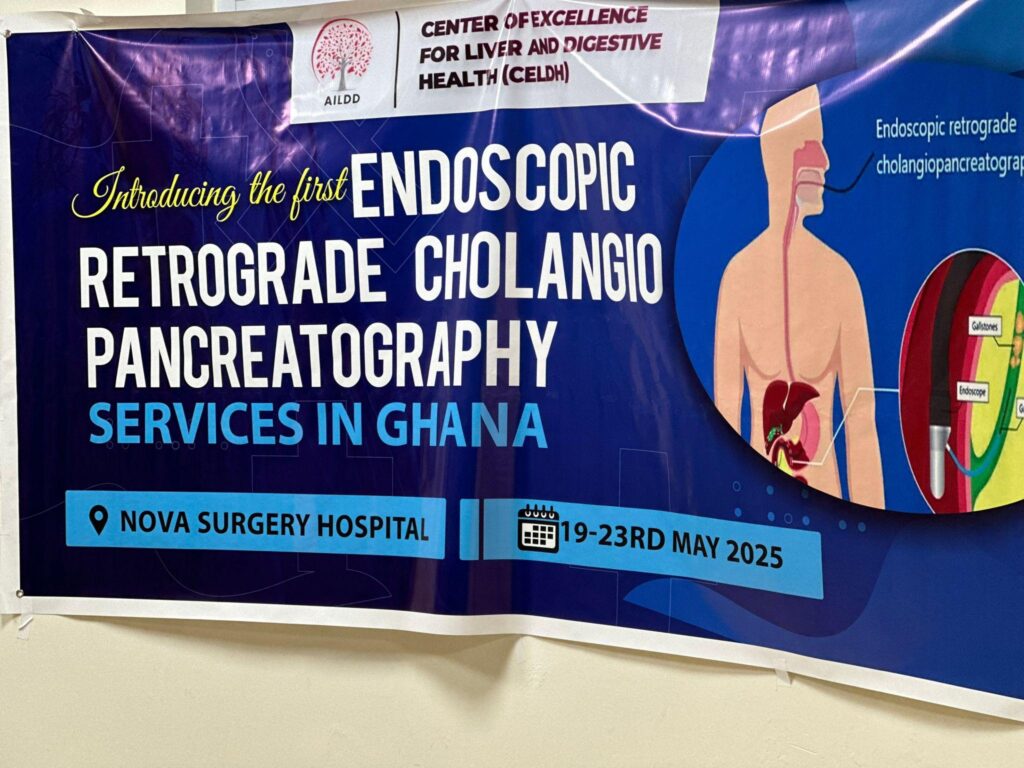
A banner hangs on the wall
ERCP Services in Ghana banner
Three participants stand together in a room holding medical equipment
An ERCP simulation exercise
61a3d825-d01d-46ec-8ae0-cadc07956538
Trainers and attendees pose before the event begins
Scroll to Top

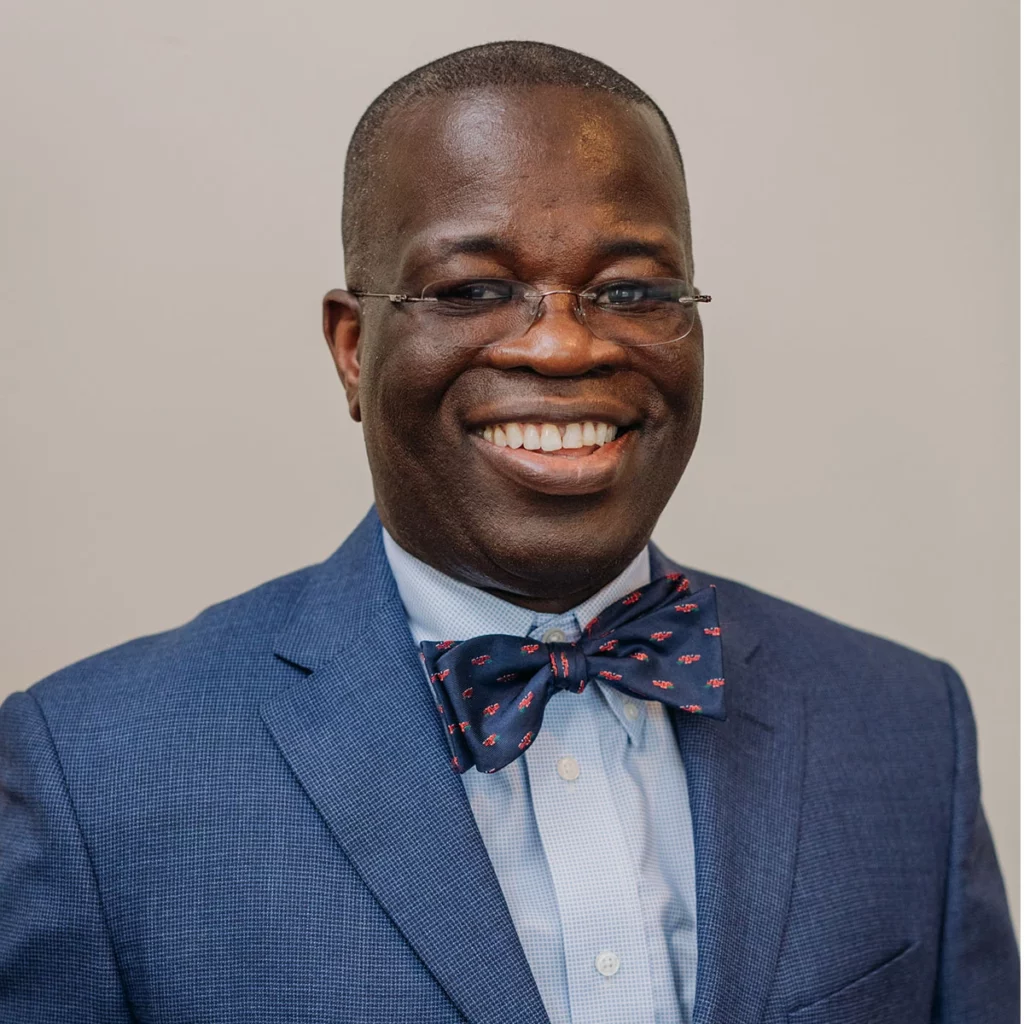
Dr. Mitchell Mah’moud, MD, DTh, FACG, AGAF, FAASLD

Founder and Treasurer, Board of Directors, AILDD
Professor of Medicine, Division of Gastroenterology, Duke University School of Medicine

Mitchell Mah’moud is a Professor of Medicine and a faculty member in the Division of Gastroenterology at Duke University School of Medicine. From 1997 to 2000, he served as an Assistant Professor of Medicine and held the positions of Director of Clinical Hepatology and Associate Program Director of the GI Fellowship in the Division of Digestive Diseases at the University of South Carolina in Columbia. Prior to that, he was a Clinical Instructor of Medicine at Yale School of Medicine and an Attending Gastroenterologist at the West Haven VA Medical Center, a teaching affiliate of Yale.

He is a recognized thought leader in the management and translational research of liver diseases, with additional expertise in pancreatic pathobiology. For more than two decades, he has been actively involved in mentoring and training the next generation of physicians around the world. His passion lies in disseminating cutting-edge medical knowledge and technology to the developing world through education and mentorship.

As one of the four founding members of the AILDD and chair of its training committee, he oversees the education of GI fellows and practicing physicians at the CELDH, AILDD’s flagship medical facility. In addition, as a member of the executive team, he plays a key role in strategic decision-making to ensure the institute’s overarching goals are met.

Erika de la Garza

Executive Director

Erika de la Garza serves as Executive Director of the Africa Institute for Liver and Digestive Diseases (AILDD) Foundation, where she leads the organization’s efforts to expand access to liver and digestive healthcare, training, and research across Africa. With a background in international policy and nonprofit leadership, Erika brings decades of experience building partnerships that drive impact and sustainability.

She is also a Senior Advisor at Rice University’s Baker Institute Center for the U.S. and Mexico and previously served as Program Director of the Institute’s Latin America Initiative. During her 20-year tenure, she developed and led research programs, organized high-level policy dialogues, and built lasting partnerships across the Americas on issues ranging from democratic governance to regional economic integration. Erika holds master’s degrees from Columbia University in International Affairs and the University of Costa Rica in Foreign Service and Diplomacy.

Her leadership at AILDD reflects her deep commitment to global health equity and to advancing solutions that improve lives in underserved communities.

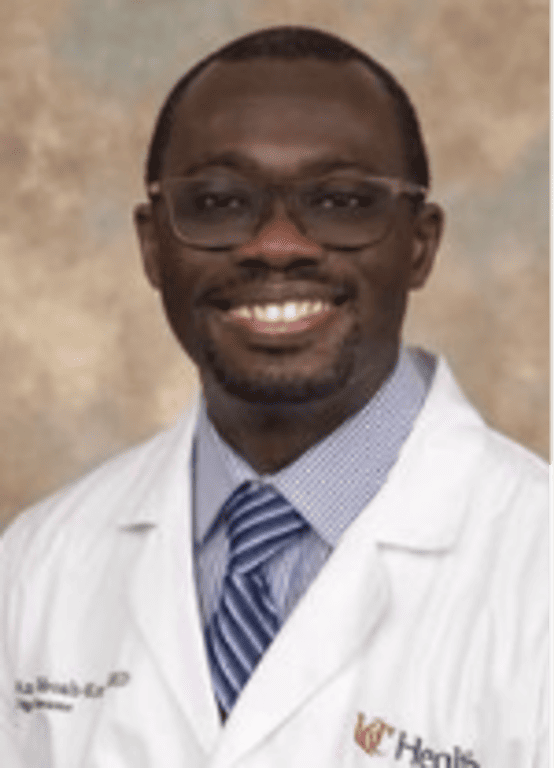
Amoah Yeboah-Korang, MD, MPH

University of Cincinnati

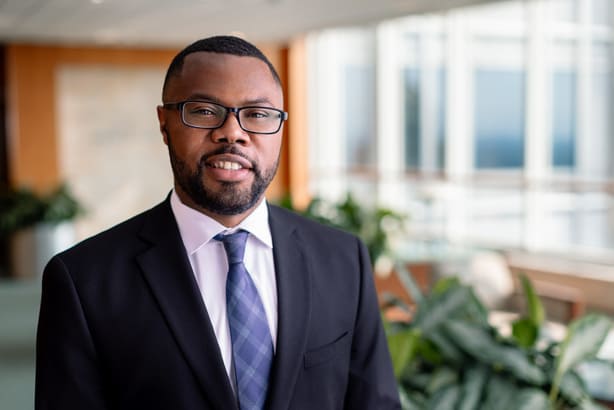
Lionel A. Kankeu Fonkoua, M.D.

Mayo Clinic

Dr. Lionel A. Kankeu Fonkoua is an Assistant Professor of Oncology and Senior Associate Consultant within the Department of Medical Oncology at the Mayo Clinic in Rochester, MN. He specializes in the treatment of Gastrointestinal and Hepatobiliary Cancers, with a research focus on the development of novel combinatorial immunotherapeutic strategies. In addition to his clinical and research activities, Dr. Kankeu Fonkoua is also committed to improving equitable access to care for ALL cancer patients, including the underserved and at-risk populations. In his role as Advisory Board Member of the Africa Institute for Liver and Digestive Diseases (AILDD) Foundation, he provides strategic advice, guidance, and support to the Board of Directors and staff.

Jecinta Scott, PhD. CCRP

Exact Sciences Corporation, Blaine, MN

Dr. Jecinta Scott is Associate Director Medical Science Liaison at Novartis specializing in Radioligand and radiopharmaceutical cancer therapy. With 17 years of experience in clinical and translational research focused on hematology and oncology, she supports healthcare providers with clinical and scientific information. Dr. Scott holds a PhD in Health Sciences focused on cancer risk factors and a master’s degree in Biology Medical Sciences. As a member of AILDD’s board, Dr. Scott brings both passion and strategic insight to the committees she serves on and leads, helping drive meaningful progress in the organization’s mission.

Akwi W. Asombang, MD, MPH

Massachusetts General Hospital, Boston, MA

Dr. Akwi W. Asombang is an interventional gastroenterologist at Massachusetts General Hospital and Director of Global Health Programs in Gastroenterology at Harvard Medical School. She completed advanced endoscopy training at Beth Israel Deaconess Medical Center and fellowships in gastroenterology and global health at Washington University in St. Louis. She holds an MPH from Saint Louis University and an MD from Kasturba Medical College in India.

Dr. Asombang’s clinical interests include endoscopy (ERCP/EUS), gastrointestinal cancers, medical education, and global health. She is the founder of the Pan-African Organization for Health, Education and Research (POHER) and the African Association of Future Gastroenterologists (AAFG), both of which support mentorship, education, and collaboration across Africa’s medical community.

A passionate advocate for equity in healthcare, Dr. Asombang brings deep expertise and global perspective to AILDD’s mission. She plays a key role in strengthening the organization’s training programs and expanding access to specialized care across the continent.

Bubu Banini, MD, PhD

Yale University, New Haven, CT
Dr. Bubu Banini, MD, PhD, received her undergraduate degree in Chemistry and Biology at Swarthmore College in Pennsylvania, during which she spent time at Oxford University in the United Kingdom on an Honors Study Abroad program. She then received combined MD and PhD degrees from Sidney Kimmel Medical College / Thomas Jefferson University, and subsequently completed Internship, Residency and Chief Residency in Internal Medicine at Montefiore Medical Center and Montefiore New Rochelle Hospital. Thereafter, she completed an NIH-funded Postdoctoral Research Fellowship at Mayo Clinic in Rochester, Minnesota. Subsequently supported by an NIH T32 training grant, Dr. Banini completed Research and Clinical Fellowships in Gastroenterology, Hepatology and Nutrition at Virginia Commonwealth University (VCU), followed by Fellowship in Transplant Hepatology at VCU. Dr. Banini is currently an Assistant Professor of Medicine (Digestive Diseases) at the Yale School of Medicine, where she also serves as Translational Research Director of the Metabolic Health and Weight Management Program, and Associate Director of the Clinical and Translational Core of the Yale Liver Center. Her research interests in steatotic liver diseases, liver cancer and population health span the T1 through T4 translational spectrum. Dr. Banini has board certifications in Gastroenterology, Obesity Medicine, and Transplant Hepatology.

Thomas D. Amankonah, MD FACP FAASLD

VA Medical Center, Jackson, MS
Dr. Thomas D. Amankonah is a transplant hepatologist and founding member of AILDD. He completed his medical training in Poland and the U.S., with a hepatology and liver transplant fellowship at Cedars-Sinai Medical Center. Over his career, Dr. Amankonah has played key roles in developing and improving liver transplant programs across several states, including California, Mississippi, Louisiana, and Washington. He was instrumental in establishing the liver transplant program at Swedish Medical Center in Seattle and currently serves as Chief of Hepatology and Director of the GI Endoscopy Lab at the VA Medical Center in Jackson, MS. Known for his compassionate care, leadership, and dedication to liver disease patients, Dr. Amankonah’s research interests include viral hepatitis and liver cancer. He enjoys soccer, photography, and traveling.

Dr. Victor Ankoma-Sey

Founder and Vice President, Board of Directors, AILDD
Director, Liver Transplant Program, Houston Methodist Hospital & Director, Liver Associates of Texas, Houston

Dr. Victor Ankoma-Sey is the Director of the Liver Transplant Program, Houston Methodist Hospital & Director, Liver Associates of Texas in Houston. He is a renowned hepatologist with over three decades of experience in the diagnosis and treatment of complex liver diseases. Dr. Ankoma-Sey has played a leading role in the advancement of liver transplant medicine and has made significant contributions to patient care, education, research, and medical training in hepatology. Throughout his career, he has mentored numerous physicians and has been deeply involved in initiatives aimed at expanding access to liver disease prevention and treatment, particularly in underserved communities.

Dr. Ankoma-Sey is a co-founder of the Africa Institute for Liver and Digestive Diseases (AILDD) Foundation and currently serves as Vice President of its Board of Directors. His expertise and passion for improving liver health continue to guide AILDD’s efforts to build sustainable healthcare solutions across Africa.

Dr. Lewis R. Roberts

Founder and President, Board of Directors, AILDD
Peter and Frances Georgeson Professor in Gastroenterology Cancer Research, Mayo Clinic

Dr. Lewis R. Roberts is the Peter and Frances Georgeson Professor in Gastroenterology Cancer Research and a consultant in the Division of Gastroenterology and Hepatology at the Mayo Clinic in Rochester, Minnesota. A globally recognized leader in hepatology, Dr. Roberts has dedicated his career to the prevention, diagnosis, and treatment of liver and digestive diseases, with a special focus on hepatocellular carcinoma, cholangiocarcinoma, and viral hepatitis B. 

As one of the founding members of the Africa Institute for Liver and Digestive Diseases (AILDD) Foundation, Dr. Roberts brings decades of clinical and research expertise to advance the organization’s mission. In his role as President of the Board of Directors, he provides strategic guidance and oversight to ensure that AILDD’s programs reflect the highest standards of medical care, research, and capacity building across the African continent.