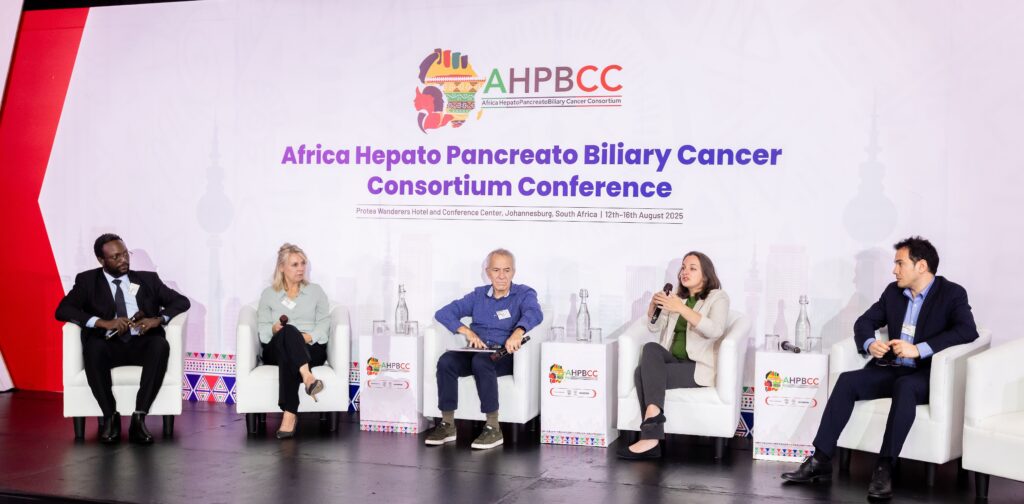
More than 300 clinicians, researchers and health advocates convened in August 2025 for the 4th Africa HepatoPancreatoBiliary (HPB) Cancer Consortium (AHPBCC) Annual Conference. For five days, Johannesburg, South Africa, became a hub of multidisciplinary collaboration as specialists from 29 countries came together to advance cancer care, education, and research. They all had one shared goal: to address Africa’s disproportionate burden of liver, biliary tract, and pancreatic cancers through research, training and clinical innovation.
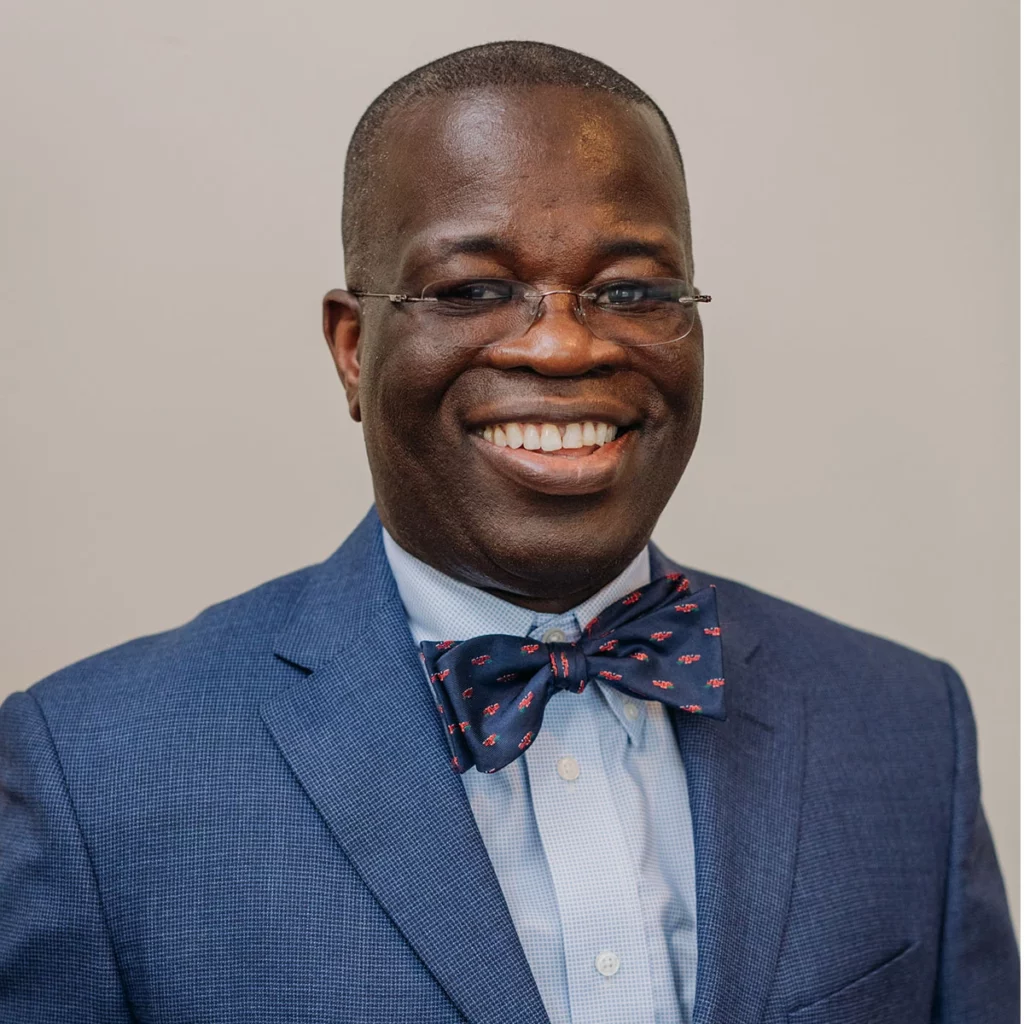
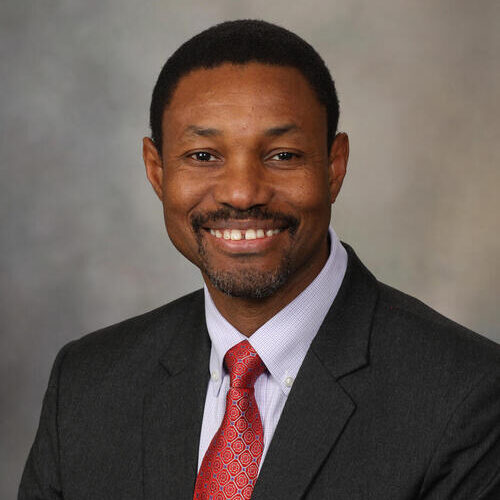
“Many of us are making progress on our own, but when we band together, we achieve more than we ever could individually,” says Lewis Roberts, M.B., Ch.B., Ph.D., President of the Africa Institute For Liver and Digestive Diseases (AILDD), which organizes the conference.
This annual conference is a key part of the consortium’s strategy to keep this invaluable collaboration and research alive. They accomplish this by building research networks, training the next generation of African healthcare professionals, strengthening research capacity, and creating mentorships and partnerships that turn shared vision into sustainable progress.
A launchpad for early-career professionals
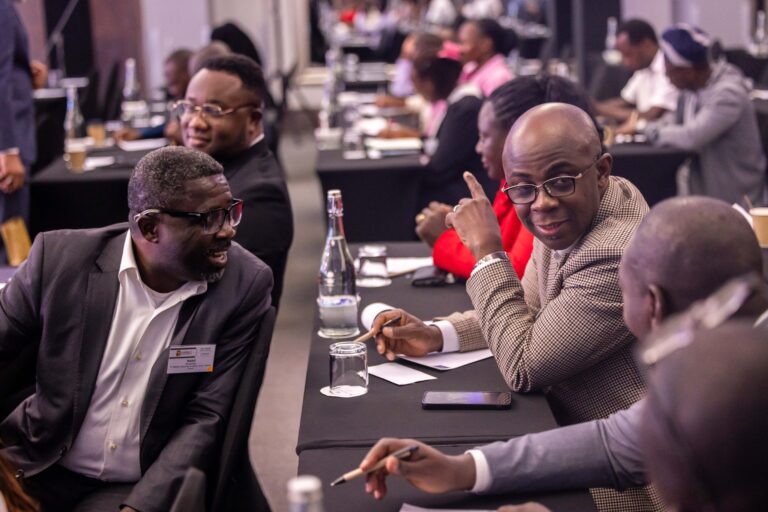
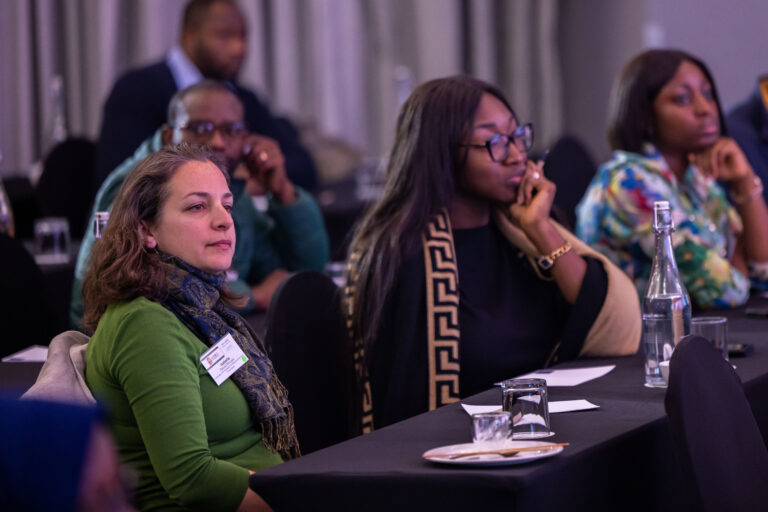
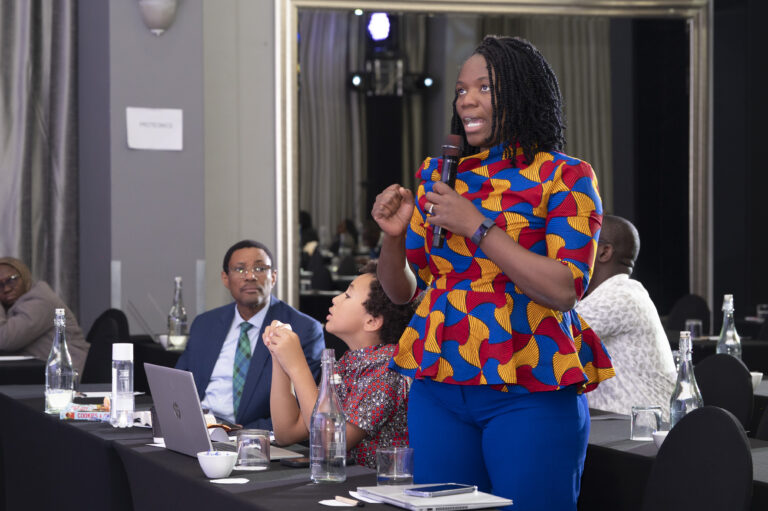
For early-career conference attendees, the conference offered opportunities to make connections to advance both their research and their careers.
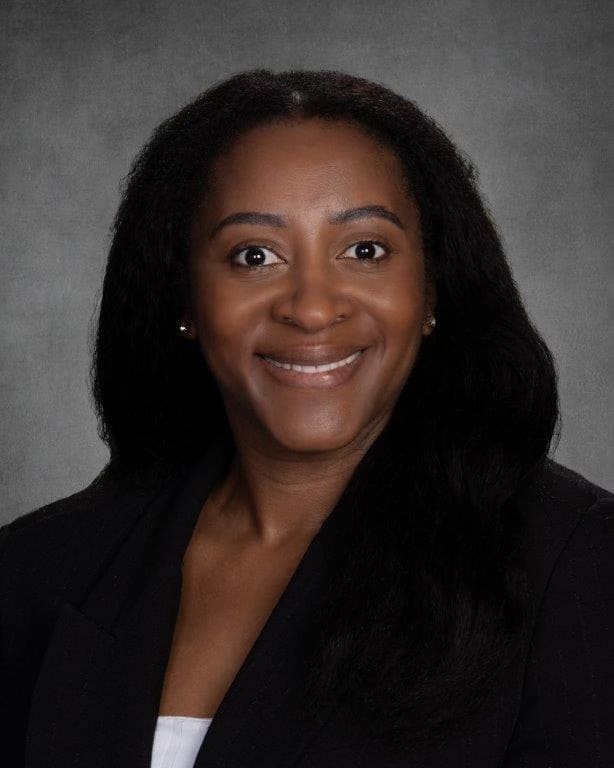
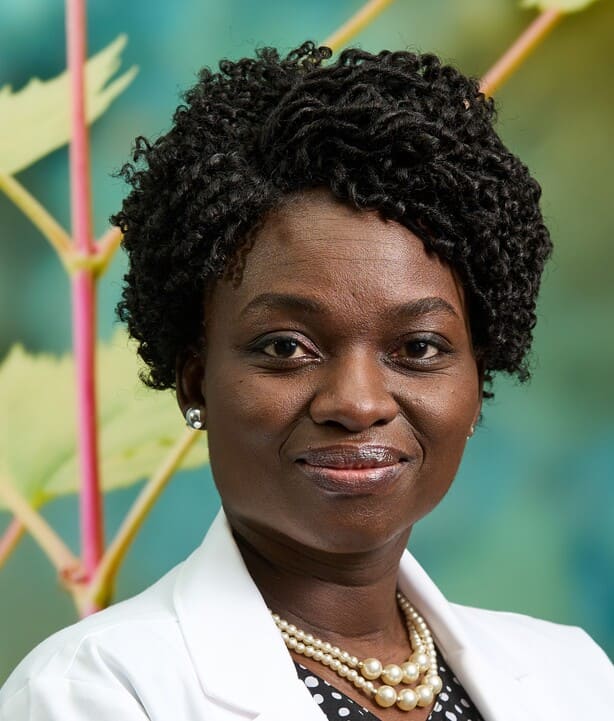
“Meeting in person with collaborators I had previously only engaged with virtually strengthened our relationships and created space for deeper scientific exchanges,” said Yvonne Nartey, M.B.Ch.B., M.Sc., M.Phil., a physician scientist at Cape Coast Teaching Hospital in Ghana.
The conference featured hands-on workshops, plenary sessions and discussions led by international experts, as well as learning and networking opportunities designed with early-career professionals in mind. The goal was to help them expand their networks and spark fresh ideas for them to integrate into their own practice and research.
Dr. Nartey presented her team’s work on a Hepatitis C awareness and treatment campaign. She found it encouraging to hear how their work had inspired other colleagues to replicate it in their own communities and countries to advance viral hepatitis elimination and reduce the burden of HPB cancers.
Just as important is the wealth of opportunities she’s carrying home. These include opportunities to collaborate on research, mentorship connections, and new partnerships with experts in bioinformatics in cancer and genomics. These relationships will position her to contribute more effectively to collective efforts to advance clinical research in Africa and reduce liver cancer incidence and mortality.
Impact across borders
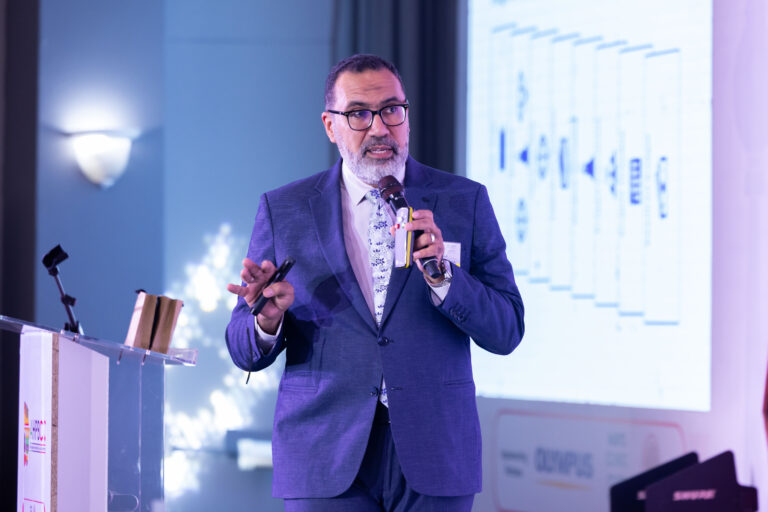
AHPBCC 2025 highlighted something vital: the power of African leadership and cross-sector collaboration. For Wendy Spearman, M.B.Ch.B., M.Med., Ph.D., F.C.P., F.R.C.P., Head of the Division of Hepatology at the University of Cape Town and a founding member of the consortium, this focus on African leadership and collaboration makes AHPBCC unique.
“Its strength lies in harnessing the expertise of African clinician scientists and advocacy groups, highlighting the capacity we already have on the continent,” she explained.
The way the conference is structured, with one single track, ensures that epidemiologists, clinicians, researchers, and patient advocates have the chance to learn directly from one another. It’s a rare forum for discussing successes and challenges in managing HPB cancers in Africa.
Dr. Spearman also emphasized that the meeting provides fertile ground for collaboration for investigators at all levels. Looking forward, she sees enormous promise in opportunities to engage in basic and translational science in genomics, metabolomics, and proteomics at regional labs in Africa to further the understanding of HPB cancers and develop targeted therapies.
Making sustainable progress
As the conference drew to a close, the message was clear: Sustainable progress in HPB cancer care could only be achieved through a shared effort and long-term commitment.
Every year, Dr. Roberts comes away from the conference inspired by the young investigators in Africa who are eager to learn and make a difference. What they need most are resources to sustain their work. This is the focus of AILDD’s fundraising.
How to support this work
- For researchers, the invitation is open: Share your knowledge and research at the 2026 conference (details will be announced soon on the consortium’s website) and join a network that is advancing vital work on HPB cancers in Africa.
- For institution collaborators, there are opportunities aplenty. We invite you to co-develop workshops, help us strengthen our training programs, and shape the next generation of health care professionals trained to succeed in this important work.
- For donors and sponsors: The impact of your investment is tangible and unmistakable. You can help fund travel grants for early-career investigators, provide seed funding for research with the potential to grow, and fuel capacity building needed to transform cancer care and research across Africa.
To learn more, please contact AILDD, visit the AILDD website, and please contribute using our online donation link.